
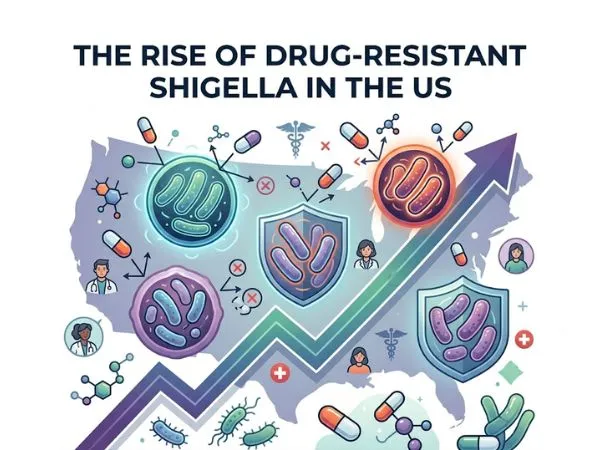
If you follow public health news, you have likely seen headlines about a highly contagious “superbug” causing severe gastrointestinal illness across the United States. The Centers for Disease Control and Prevention (CDC) has been closely monitoring a significant increase in extensively drug-resistant (XDR) Shigella.
While a typical stomach bug is a nuisance, an infection from a drug-resistant bacteria can quickly become a serious medical situation. Because traditional antibiotics are failing to treat these new strains, understanding how this bacteria spreads and how to prevent it is more important than ever.
Here is your complete guide to drug-resistant Shigella, the symptoms to watch for, and how to protect yourself and your family.
What is Drug-Resistant Shigella?
Shigella is a group of bacteria that causes an infection called shigellosis. It is a major cause of inflammatory diarrhea worldwide. Every year, it causes hundreds of thousands of infections in the United States alone.
Historically, severe cases of shigellosis were easily treated with standard antibiotics. However, the bacteria has mutated. The CDC is now tracking XDR Shigella (Extensively Drug-Resistant Shigella).
If a strain is labeled XDR, it means it is resistant to all commonly recommended empirical antibiotics, including:
- Azithromycin
- Ciprofloxacin
- Ceftriaxone
- Trimethoprim-sulfamethoxazole (TMP-SMX)
- Ampicillin
When these first-line treatments fail, patients with severe infections face longer hospital stays, limited treatment options, and a higher risk of serious complications.
Also Read : – Kent Meningitis Outbreak: What You Need to Know Right Now
What Are the Symptoms of Shigellosis?
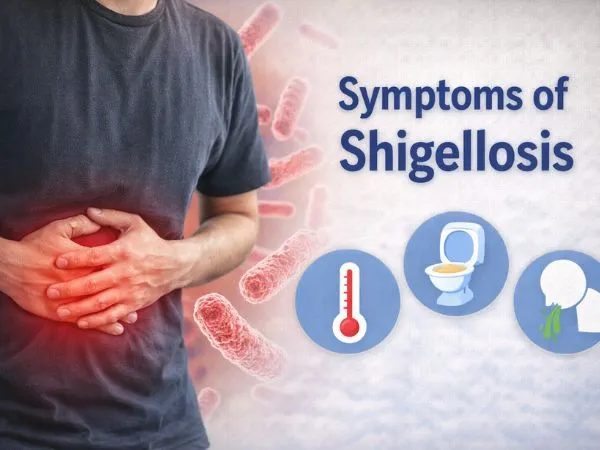
Symptoms typically begin 1 to 2 days after exposure to the bacteria and can last for about a week. The most common signs of a Shigella infection include:
- Diarrhea: Often severe, prolonged, and frequently containing blood or mucus.
- Fever: Ranging from mild to high-grade.
- Stomach Pain: Intense abdominal cramps and tenderness.
- Tenesmus: The constant, urgent feeling that you need to pass stool, even when your bowels are completely empty.
Note: While many people recover without treatment within 5 to 7 days, individuals with weakened immune systems can develop life-threatening systemic infections.
How Does Shigella Spread?
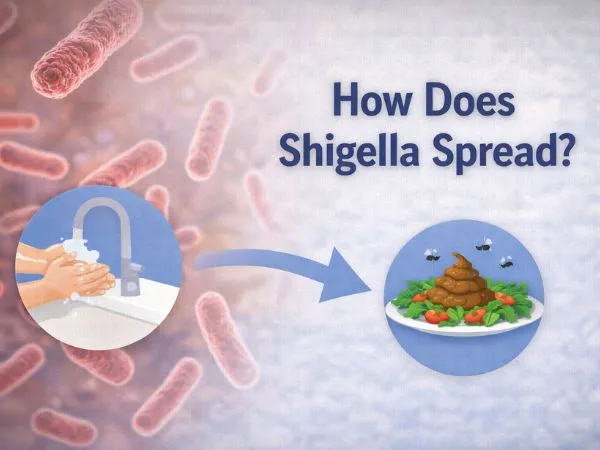
Shigella is infamous for being incredibly contagious. Unlike other foodborne illnesses that require you to ingest a large amount of bacteria to get sick, it takes as few as 10 to 100 Shigella germs to cause an infection.
The bacteria spreads through the fecal-oral route. This happens when microscopic amounts of infected feces enter another person’s mouth. Common ways this superbug spreads include:
- Improper Handwashing: Touching contaminated surfaces (like bathroom door handles or diaper changing stations) and then touching your mouth or food.
- Contaminated Food and Water: Eating food prepared by someone with the infection who didn’t wash their hands properly, or swallowing water from an untreated lake, pond, or swimming pool.
- Direct Contact: Caring for someone who is sick, especially when changing diapers.
- Sexual Contact: The CDC has noted a significant transmission rate during sexual contact, particularly involving oral-anal contact.
Who is Most at Risk in the US?
While anyone can contract shigellosis, public health data shows that XDR Shigella is disproportionately affecting specific groups in the United States:
- Young Children: Kids under the age of 5 are the most likely to get shigellosis, largely due to outbreaks in daycare centers and schools where hygiene habits are still developing.
- International Travelers: Traveling to areas with developing sanitation infrastructure increases the risk of encountering resistant strains.
- Men Who Have Sex with Men (MSM): The CDC has identified significant outbreaks of XDR Shigella within the MSM community, driven by sexual transmission.
- People Experiencing Homelessness: Lack of access to clean water and sanitation facilities makes preventing the spread of the bacteria incredibly difficult.
- Immunocompromised Individuals: People living with HIV or those undergoing immunosuppressive therapies are at a higher risk for severe, prolonged infections.
How is Drug-Resistant Shigella Treated?
For most healthy adults, shigellosis will run its course without the need for antibiotics. Treatment primarily focuses on hydration and rest. Drinking plenty of fluids and oral rehydration solutions (like Pedialyte) is critical to replacing the water and electrolytes lost through diarrhea.
Important: Over-the-counter anti-diarrheal medications (like loperamide/Imodium) should generally be avoided. They can slow down the digestive system, keeping the bacteria in your body longer and making the symptoms worse.
If an infection is severe, or if the patient is immunocompromised, doctors will order a stool culture to determine exactly which strain of Shigella is present. If it is an XDR strain, infectious disease specialists must be brought in to determine a customized, often highly specialized, antibiotic regimen.
Also Read : – Schizophrenia Signs and Symptoms: A Clear, Human Guide From Early Clues to Diagnosis
4 Ways to Protect Yourself and Prevent the Spread
Because antibiotics are losing their effectiveness against this superbug, prevention is your best defense.
- Wash Your Hands Properly: This is the #1 defense. Wash your hands vigorously with soap and water for at least 20 seconds after using the bathroom, changing a diaper, and before preparing food.
- Skip the Hand Sanitizer: While great for cold viruses, alcohol-based hand sanitizers are not highly effective at killing Shigella. You must use actual soap and water.
- Practice Safe Food and Water Habits: Avoid swallowing water when swimming in pools or lakes. When traveling internationally, stick to bottled water and hot, fully cooked foods.
- Abstain When Sick: If you or your partner have diarrhea, abstain from sexual activity. The CDC recommends waiting at least two weeks after diarrhea has completely stopped before resuming sexual contact.
Frequently Asked Questions (FAQ)
Is drug-resistant Shigella curable?
Yes. Even if a strain is resistant to common antibiotics, a healthy immune system can usually clear the infection on its own within a week. For severe cases, doctors can use specialized susceptibility testing to find an alternative, effective antibiotic.
How long are you contagious with Shigella?
You are contagious as long as you are experiencing diarrhea, and you can continue to shed the bacteria in your stool for up to a few weeks after your symptoms have stopped.
Should I go to the hospital for Shigella?
You should seek immediate medical attention if you experience bloody diarrhea, severe dehydration, a fever higher than 102°F, or if your symptoms last for more than a week without improvement.
Does washing produce get rid of Shigella?
Washing fruits and vegetables under running water helps reduce the risk of many foodborne illnesses, but cooking food to a safe internal temperature is the most reliable way to kill Shigella bacteria.
Disclaimer: This article is for informational purposes only and does not constitute medical advice. If you suspect you have a severe gastrointestinal infection, contact a healthcare provider immediately.