
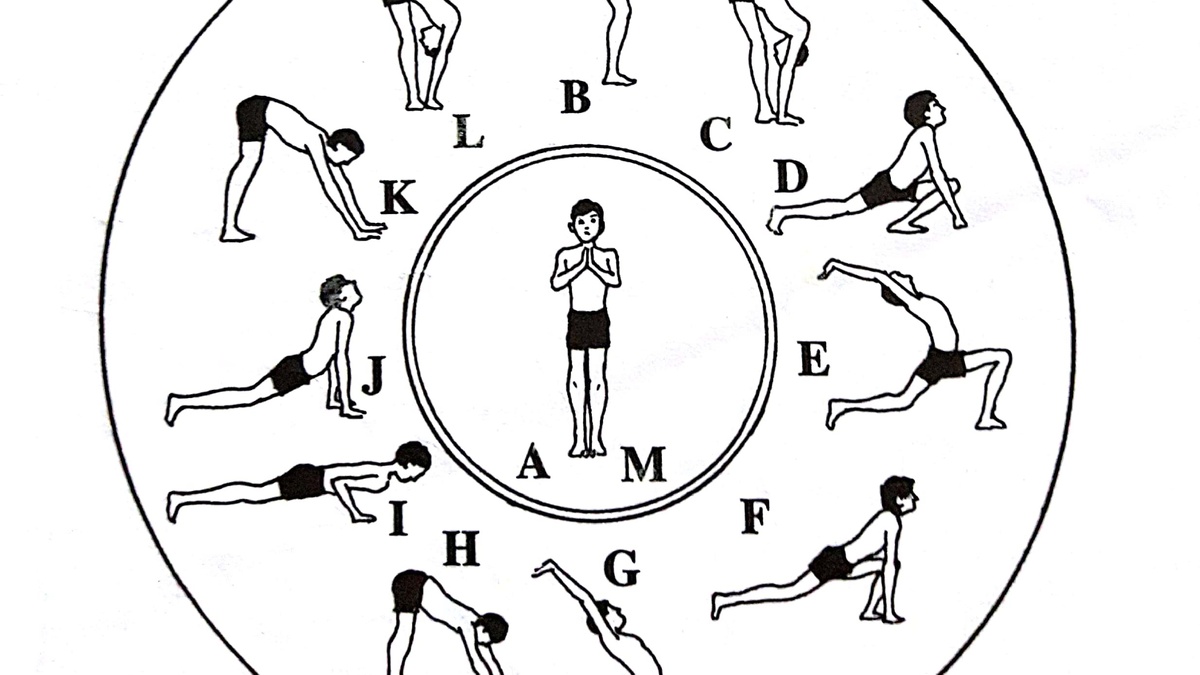
Surya Namaskar (Sun Salutation) is regarded as the ultimate full-body yogic sequence, integrating cardiovascular conditioning, functional flexibility, muscular endurance, and mindful breathwork (complementing restorative practices like Yin Yoga poses) into a single rhythmic flow. Composed of 12 linked postures (asanas) cycled in harmony with inhalation and exhalation, Surya Namaskar stimulates every major biological system—from cardiovascular and endocrine regulation to gastrointestinal motility and spinal alignment.
Practiced at sunrise on an empty stomach, just 10 to 15 minutes of Sun Salutations can burn between 150 to 250 calories, improve autonomic nervous system balance, and lower resting cortisol levels. Whether you are seeking sustainable weight management, relief from sedentary postural stiffness, or mental clarity, this comprehensive guide breaks down the science-backed health benefits of Surya Namaskar and provides a step-by-step masterclass on how to perform all 12 postures with correct anatomical precision.
Top Science-Backed Health Benefits of Surya Namaskar
Clinical trials published in the National Institutes of Health (PubMed) and sports kinesiology literature validate what yogic traditions have taught for centuries. Consistent morning practice delivers multi-system physiological benefits:
1. Cardiovascular Conditioning & Sustainable Weight Loss
Surya Namaskar functions as a high-efficiency aerobic-interval workout (much like dynamic Hot Yoga sessions) when performed at a moderate-to-brisk pace. The alternating flexion and extension of the torso elevate heart rate, improve arterial compliance, and stimulate metabolic rate. Practicing 12 rounds of Sun Salutations burns approximately 140–160 calories—more than 30 minutes of standard casual walking—making it a cornerstone for natural metabolic health and sustainable fat loss, as seen in holistic lifestyle shifts like Nitin Gadkari’s 46 kg weight loss journey.
2. Spinal Decompression & Joint Mobility
Modern sedentary routines cause shortening of the hip flexors, rounding of the thoracic spine, and chronic compression of lumbar discs. The 12 steps take the vertebral column through complete sagittal plane motion: deep forward flexion (Uttanasana), active extension (Bhujangasana), and spinal lengthening (Adho Mukha Svanasana). This cyclical movement lubricates the facet joints with synovial fluid, restores hamstring length, and alleviates chronic lower back discomfort.
3. Optimizes Digestion & Gut Motility
Forward folds and cobra arches compress and decompress abdominal viscera alternately. This gentle internal organ massage stimulates peristalsis, activates gastric enzyme secretion, and aids in relieving constipation, bloating, and irritable bowel symptoms.
4. Endocrine & Hormonal Equilibrium
The deep neck flexion in postures such as Ashtanga Namaskara and Parvatasana gently massages the thyroid and parathyroid glands, optimizing metabolic hormone output. Concurrently, synchronized diaphragmatic breathing balances the hypothalamic-pituitary-adrenal (HPA) axis, curtailing chronic stress hormone release (cortisol) while boosting neurochemical regulation, corroborating findings documented by Harvard Health Publishing.
5. Enhances Skin Glow & Detoxification
By increasing peripheral microcirculation and venous blood return to the heart and lungs, Surya Namaskar oxygenates dermal tissues. The mild sweating induced by multiple rounds accelerates lymphatic drainage, expelling cellular waste and restoring a radiant, youthful complexion.
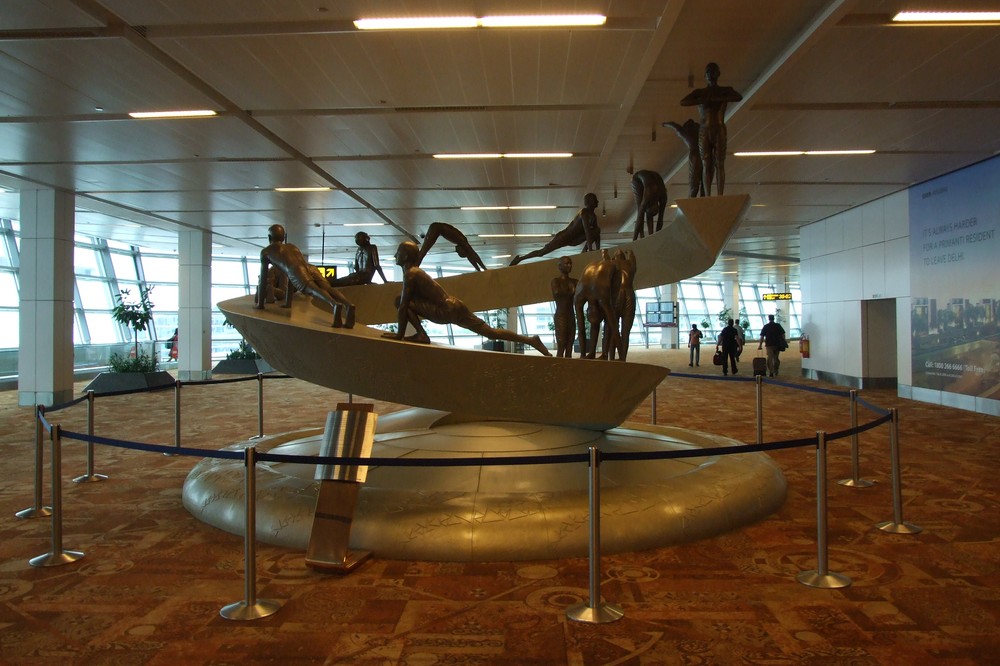
Anatomical flow and sequence representation of the 12 sacred postures of Surya Namaskar.
Quick Overview: The 12 Steps of Surya Namaskar
| Step # | Sanskrit Name | English Pose Name | Breathing Pattern | Target Muscle Groups |
|---|---|---|---|---|
| 1 & 12 | Pranamasana | Prayer Pose | Exhale | Pectorals, core stabilizers, postural balance |
| 2 & 11 | Hastauttanasana | Raised Arms Pose | Inhale | Abdominals, chest, shoulders, biceps |
| 3 & 10 | Padahastasana | Standing Forward Bend | Exhale | Hamstrings, calves, lower back extensors |
| 4 & 9 | Ashwa Sanchalanasana | Equestrian / Low Lunge Pose | Inhale | Hip flexors, quadriceps, psoas, chest |
| 5 | Dandasana / Parvatasana | Plank / Mountain Pose | Retain / Exhale | Shoulder girdle, triceps, core, spine |
| 6 | Ashtanga Namaskara | Eight-Limbed Salute | Hold Breath / Exhale | Upper back, triceps, chest, pelvic stabilizers |
| 7 | Bhujangasana | Cobra Pose | Inhale | Erector spinae, glutes, anterior chest |
| 8 | Parvatasana / Adho Mukha | Downward-Facing Dog | Exhale | Lats, calves, Achilles tendons, deltoids |
Step-by-Step Guide: How to Perform All 12 Poses
Step 1: Pranamasana (Prayer Pose)
Stand erect at the front edge of your mat with feet together and weight evenly distributed across both soles. Relax the shoulders down and away from your ears. As you exhale, draw your palms together in front of your chest in the traditional prayer mudra (Anjali Mudra). Ground your focus and stabilize your respiratory rhythm.
Step 2: Hastauttanasana (Raised Arms Pose)
Inhale deeply and sweep your arms upward and backward overhead. Keep your biceps close to your ears and gaze toward your thumbs. Without forcing the lower back, engage your glutes and gently arch backward from the upper thoracic spine, opening the chest and intercostal rib spaces.
Step 3: Padahastasana (Standing Forward Bend)
Exhale smoothly as you hinge forward from the hips, maintaining a flat back for as long as possible. Lower your hands toward the floor alongside your feet. Allow your neck and crown of the head to hang relaxed toward the shins. Beginners may soften the knees slightly to prevent pulling the lumbar spine.
Step 4: Ashwa Sanchalanasana (Equestrian Pose)
Inhale and step your right leg straight back as far as comfortable. Lower the right knee to the floor and uncurl the right toes. Keep your front left knee stacked directly over your left ankle at a 90-degree angle. Press your pelvis down toward the mat, roll the shoulders back, and lift your chin and gaze upward, stretching the deep psoas muscle.
Step 5: Dandasana (Plank / Stick Pose)
As you hold the breath (or smoothly transition), step your left leg back beside the right. Align your shoulders directly over your wrists. Create a rigid, unbroken diagonal line from the crown of your head through your heels, engaging the core and glutes to avoid sagging hips.
Step 6: Ashtanga Namaskara (Eight-Limbed Salute)
Exhale and gently lower your knees to the mat. Lower your chest and chin down to the floor between your hands while keeping the hips slightly elevated above the mat. Exactly eight contact points touch the ground: two feet (toes curled), two knees, two palms, the chest, and the chin.
Step 7: Bhujangasana (Cobra Pose)
Inhale and slide your torso forward, flattening your hips and legs against the mat with tops of the feet pressed down. Using primarily spinal muscles rather than arm force, gently peel the chest and ribcage off the floor. Keep elbows slightly bent and pulled close into your ribcage, drawing shoulder blades back and opening the throat.
Step 8: Parvatasana / Adho Mukha Svanasana (Downward Dog / Mountain Pose)
Exhale, tuck your toes, and drive through the palms to lift your hips upward and backward into an inverted “V” shape. Lengthen the spine, press your heels toward the mat, and rotate shoulder blades outward away from the ears. Relax the neck and look toward your navel.
Step 9: Ashwa Sanchalanasana (Equestrian Pose – Second Side)
Inhale deeply as you step your right foot forward between your palms. Lower the back left knee to the floor, sink your pelvis forward, and lift the gaze upward, mirroring the deep hip flexor stretch initiated in Step 4.
Step 10: Padahastasana (Standing Forward Bend)
Exhale and step your left foot forward beside the right. Straighten your legs as much as comfortable, folding your upper torso toward your shins with hands resting flat on the floor or clasping the ankles.
Step 11: Hastauttanasana (Raised Arms Pose)
Inhale, extend arms forward, and sweep torso upright with a strong core. Reach toward the sky, drawing the arms back beside the ears, and gently arch backward from the upper spine.
Step 12: Pranamasana (Return to Prayer Pose)
Exhale deeply and bring the hands back together in front of the chest in Namaskar mudra. Lower the arms to your sides into Tadasana (Mountain Pose). Pause, take three conscious belly breaths, and repeat the cycle, this time leading with the left leg in Step 4 to complete one full balanced round.
Best Practices: When, How Long, and Precautions
- Ideal Time of Practice: Dawn (Brahma Muhurta / sunrise) on an empty stomach yields peak metabolic benefits. If practicing in the evening, ensure at least 3 to 4 hours of fasting after a heavy meal.
- Beginner Progression: Start with 3 to 6 complete rounds daily at a steady, mindful pace. Once muscle memory and cardiovascular stamina improve, advance to 12 rounds (6 right leg, 6 left leg).
- Breath Synchronization: Never hold your breath unless instructed in intermediate variations. Synchronized breathing calms the sympathetic nervous system and prevents lightheadedness.
- Precautions & Contraindications: Individuals with severe herniated discs, acute sciatica, high blood pressure, vertigo, or pregnant women in their second and third trimesters should consult a healthcare provider or practice gentler therapeutic chair yoga modifications.
Frequently Asked Questions (FAQ)
How many rounds of Surya Namaskar should a beginner do?
Beginners should start with 2 to 4 complete rounds (each round comprises both right and left leg cycles). Once form and stamina stabilize over two weeks, gradually increase to 6 and eventually 12 rounds per day.
Does Surya Namaskar help in weight loss?
Yes. Practicing Surya Namaskar dynamically at a continuous pace provides an effective full-body aerobic workout, burning approximately 13 to 15 calories per minute while toning muscles across the arms, abdomen, thighs, and back.
Can I do Surya Namaskar in the evening?
Yes. While morning sunrise is optimal, evening practice is beneficial for releasing workplace stiffness and mental fatigue, provided your stomach is completely empty (3–4 hours after lunch).
What happens if I practice 12 rounds of Sun Salutations daily?
Consistent daily practice improves joint flexibility, strengthens the core and back extensors, enhances cardiovascular capacity, normalizes digestive function, and noticeably reduces resting anxiety.