
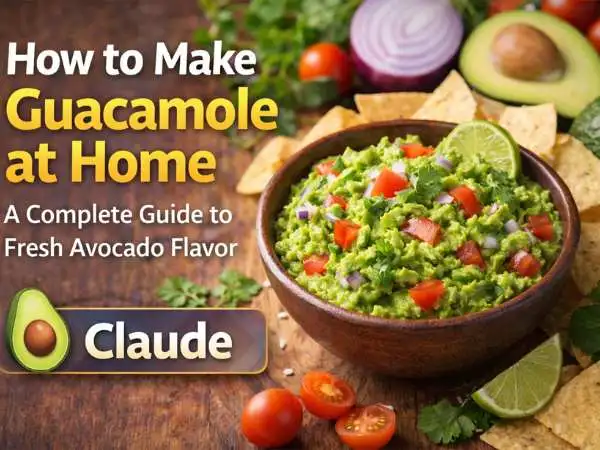
Guacamole is one of those dishes that proves simple ingredients can create unforgettable flavor. With just a few fresh components and the right technique, you can prepare a creamy, vibrant dip that works with everything from tortilla chips to toast and sandwiches. Learning how to make guacamole at home is surprisingly easy, yet the result feels restaurant-quality when done well.
The foundation of guacamole begins with ripe avocados. Their rich texture and mild flavor create a perfect base that absorbs the brightness of lime, the bite of onion, and the freshness of herbs. From there, variations expand the possibilities. Some people prefer smooth guacamole, while others like it chunky. Some add tomatoes, garlic, or jalapeños for heat and depth.
Because guacamole is so versatile, it appears in many meals beyond a simple dip. It can top toast for breakfast, fill a sandwich for lunch, or accompany tacos and grilled foods for dinner. Once you understand how to make guacamole from avocado properly, you can adapt the recipe to many dishes.
This guide walks through the basic recipe, the ingredients that shape its flavor, and several ways to use guacamole in everyday meals.
Also Read : – 20 Healthy Breakfast Fast Food Choices (Ranked by Nutrition, Protein, and Real-World Value)
Understanding the Basics of Guacamole
Before making guacamole, it helps to understand what defines it. The dish originates from Mexican cuisine and traditionally combines mashed avocado with lime juice, salt, and fresh aromatics. The goal is balance: creamy avocado, bright acidity, and subtle seasoning.
Avocados supply the richness. Lime juice prevents browning and adds freshness. Onion and herbs contribute texture and aroma. Salt enhances the natural flavor of the avocado.
The simplicity of these ingredients means quality matters. Fresh produce creates better guacamole than heavily processed alternatives. When avocados are ripe and properly mashed, they provide a smooth texture that holds other ingredients together.
Making guacamole at home allows full control over flavor and texture. Some people prefer a rustic mash with visible avocado chunks, while others mix it into a smoother dip.
Both approaches work well depending on how the guacamole will be served.
Choosing the Right Avocados
A good guacamole begins with properly ripened avocados.
When selecting avocados, gently press the fruit near the stem. A ripe avocado yields slightly under pressure without feeling mushy. If it feels hard, it likely needs more time to ripen. If it feels extremely soft, it may be overripe.
Hass avocados are the most common variety used for guacamole. Their creamy texture and rich flavor make them ideal for mashing. The skin turns dark when the fruit ripens, making it easier to judge readiness.
If your avocados are not ripe yet, leave them at room temperature for several days. Placing them near bananas or apples can speed the process slightly.
Once ripe, avocados can be refrigerated to slow further ripening until you are ready to use them.
Also Read : – Veg Protein Rich Food: Complete Guide for Indian Vegetarians, Weight Loss, Muscle Building, and Thyroid Health
How to Make Guacamole from Avocado
The basic guacamole recipe requires only a few steps. Start by cutting the avocados in half and removing the pits. Scoop the flesh into a mixing bowl.
Using a fork, mash the avocado gently until it reaches the desired consistency. Some people prefer a smoother mash, while others leave small chunks for texture.
Add fresh lime juice and a pinch of salt. Stir until evenly combined. Finely chopped onion, cilantro, and diced tomatoes can be added next. For those who enjoy spice, minced jalapeño or serrano peppers bring mild heat.
Mix everything together carefully so the ingredients distribute evenly without over-mashing the avocado.
Taste the guacamole and adjust seasoning if necessary. A little extra lime juice or salt can brighten the flavor.
Fresh guacamole is best served immediately after preparation.
How to Make Guacamole Dip
Guacamole often appears as a dip served with tortilla chips, vegetables, or crackers. Preparing guacamole dip follows the same basic recipe but may emphasize smoother texture and balanced seasoning.
For a dip-style guacamole, mash the avocado slightly more thoroughly so it becomes creamy while still retaining some texture. Adding finely diced tomatoes and onions creates a colorful appearance that pairs well with chips.
Many people like to include a small amount of garlic or cumin to deepen the flavor. These ingredients should be used sparingly so they do not overpower the avocado.
Once mixed, transfer the guacamole to a serving bowl and garnish with chopped cilantro or extra diced tomato. Serve alongside tortilla chips, sliced cucumbers, or bell pepper strips.
This version of guacamole is a popular appetizer at gatherings because it is easy to prepare and universally enjoyed.
Also Read : – Health Benefits Of Black Coffee And Side Effects
How to Make Guacamole Toast
Guacamole toast has become a popular breakfast and brunch option in many households and cafes. The combination of crispy bread and creamy avocado spread creates a satisfying contrast in texture.
Start by preparing guacamole using the basic recipe. Keep the texture slightly chunky so it spreads easily over toast.
Toast slices of bread until golden and crisp. Whole-grain or sourdough bread works particularly well because it provides sturdy structure.
Spread a generous layer of guacamole across the warm toast. From there, toppings can vary depending on taste.
Many people add sliced tomatoes, radishes, or cucumbers for freshness. Others top the toast with a fried egg or poached egg for extra protein.
A sprinkle of chili flakes, sesame seeds, or microgreens can add color and flavor.
Guacamole toast works well as a quick breakfast, a light lunch, or even a small appetizer.
How to Make a Guacamole Sandwich
Guacamole also functions beautifully as a sandwich spread. Its creamy texture replaces mayonnaise or other condiments while adding fresh flavor.
To make a guacamole sandwich, start by spreading freshly prepared guacamole on slices of bread. Choose bread with a sturdy structure such as whole grain, sourdough, or ciabatta.
Layer vegetables like lettuce, tomato, cucumber, or sprouts on top of the guacamole. These ingredients add crunch and balance the richness of the avocado.
For additional protein, grilled chicken, turkey, or roasted vegetables can be included. Some people enjoy adding cheese such as cheddar or mozzarella.
Once assembled, the sandwich offers a fresh and satisfying meal that highlights the flavor of homemade guacamole.
Also Read : – Health Benefits of Pizza
Flavor Variations to Try
Guacamole adapts easily to different flavor profiles.
Some variations include adding roasted garlic, diced mango, or grilled corn. These ingredients introduce sweetness and depth that complement the avocado’s natural richness.
For a smoky flavor, roasted jalapeños or chipotle peppers can be mixed into the mash. Lime zest can brighten the dish further without adding extra acidity.
Herbs also influence the flavor profile. While cilantro is traditional, some people prefer parsley or green onion for a milder taste.
Experimenting with small ingredient adjustments allows you to customize guacamole to suit personal preferences.
Preventing Guacamole from Browning
One common challenge when making guacamole at home is preventing browning.
Avocados oxidize when exposed to air, causing the surface to darken. While this discoloration does not make guacamole unsafe to eat, it can affect appearance.
Adding lime juice slows the oxidation process. Covering guacamole tightly also helps reduce air exposure.
One technique involves pressing plastic wrap directly against the surface of the guacamole before sealing the container. This barrier limits contact with oxygen.
Refrigerating the guacamole after preparation can extend freshness for several hours.
However, guacamole tastes best when eaten soon after making it.
Why Homemade Guacamole Tastes Better
Preparing guacamole at home offers several advantages.
First, the ingredients are fresher. Many store-bought guacamole products contain preservatives or stabilizers that change the flavor and texture.
Second, homemade guacamole allows complete control over seasoning. You can adjust salt, lime, and spices exactly to your taste.
Third, the texture remains more vibrant and natural when freshly mashed rather than processed.
Because the recipe is simple and quick, homemade guacamole often becomes a regular part of meals once people learn the technique.
Also Read : – How to cook Ramen Noodles in the Microwave? Step-by-step guide for you
Final Thoughts
Learning how to make guacamole at home is one of the easiest ways to bring fresh flavor into everyday cooking. With just a handful of ingredients and a few minutes of preparation, you can create a dip, spread, or topping that complements countless dishes.
From classic guacamole dip served with chips to guacamole toast at breakfast or a guacamole sandwich for lunch, the possibilities are wide. Each variation highlights the creamy richness of avocado while allowing other ingredients to add brightness and texture.
The key to great guacamole lies in quality ingredients and balanced seasoning. Ripe avocados, fresh lime juice, and thoughtful additions like onion, herbs, or chili create a dish that feels simple yet deeply satisfying.
Once you become comfortable with the basic recipe, guacamole becomes more than just a dip. It becomes a versatile ingredient that can transform everyday meals into something fresh and flavorful.
Frequently Asked Questions
How do you make guacamole from avocado?
Mash ripe avocados with lime juice, salt, onion, and herbs until the desired texture is reached.
What ingredients are needed for guacamole dip?
Avocados, lime juice, salt, onion, cilantro, and optional ingredients such as tomato or jalapeño.
How do you make guacamole toast?
Spread fresh guacamole over toasted bread and add toppings like eggs, tomatoes, or chili flakes.
Can guacamole be used in sandwiches?
Yes. Guacamole works well as a creamy spread for sandwiches with vegetables, chicken, or cheese.
How long does homemade guacamole last?
Fresh guacamole tastes best immediately but can be refrigerated for about one day if stored properly.