
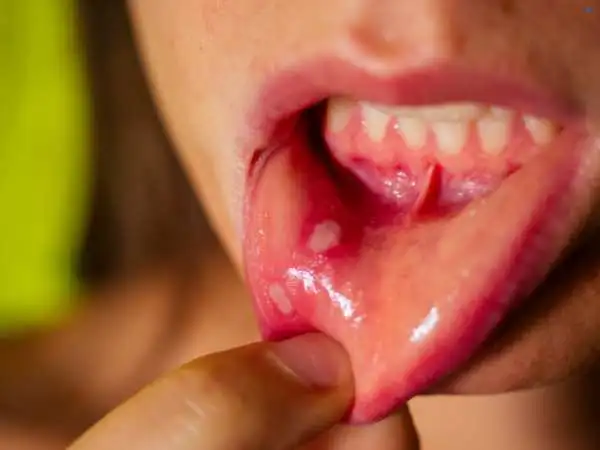
Mouth ulcers hurt more than they look. A tiny sore inside the mouth can turn eating, drinking, and talking into a daily struggle. Spicy food burns. Salt stings. Even water feels sharp. Most people get mouth ulcers at least once in life. Some people get them again and again.
When pain shows up, the first thought is simple. Why did this happen. The second thought comes fast. How do I get rid of it quickly.
This guide explains the causes of mouth ulcers in clear language. It covers ulcers on the tongue, different ulcer types, home care that helps fast, how long ulcers last, and how to tell the difference between a common ulcer and something serious.
What Mouth Ulcers Are
Mouth ulcers are small open sores inside the mouth. They may appear on the tongue, inner cheeks, lips, gums, or the soft area at the back of the mouth. Most look white or yellow in the center with a red edge.
They are not the same as cold sores. Cold sores appear outside the mouth and link to a virus. Mouth ulcers form inside the mouth and do not spread through contact.
Also Read : – How to Get Rid of Gas in Your Stomach – Top Home Remedies
Causes of Mouth Ulcers
Mouth ulcers form when the soft lining inside the mouth breaks down. Many triggers can lead to this damage. Often more than one factor plays a role.
Common causes include:
- Minor injury inside the mouth
- Stress and lack of sleep
- Vitamin shortages
- Hormonal shifts
- Certain foods
- Weak immunity
Each cause affects the mouth lining in a different way.
Minor Injury Inside the Mouth
Small injuries trigger many ulcers.
Common sources include:
- Accidentally biting the cheek or tongue
- Sharp teeth edges
- Ill-fitting dentures
- Hard toothbrush bristles
The mouth lining heals fast. Still, repeated injury slows healing and leads to ulcers.
Also Read : – Ways To Get Rid Of Constipation. Check Out These Effective Tips
Stress and Mouth Ulcers
Stress shows up in the body quietly. The mouth often reacts first.
High stress levels:
- Lower immune response
- Slow tissue repair
- Increase inflammation
Many people notice ulcers during exams, work pressure, or emotional strain.
Vitamin and Mineral Deficiency
Lack of certain nutrients raises ulcer risk.
Most linked deficiencies:
- Vitamin B12
- Iron
- Folic acid
These nutrients help repair cells. Low levels weaken the mouth lining and delay healing.
What Causes Mouth Ulcers on Tongue
Ulcers on the tongue hurt more than those on the cheeks.
Common triggers include:
- Tongue biting
- Hot food burns
- Sharp teeth rubbing the tongue
- Nutrient deficiency
The tongue moves constantly. That motion irritates sores and increases pain.
Also Read : – Kill tooth pain nerve in 3 seconds permanently, Home remedies: Clove Oil
Hormonal Changes and Mouth Ulcers
Hormones affect tissue sensitivity.
Some people notice ulcers:
- Before periods
- During pregnancy
- During hormonal shifts
These ulcers often heal on their own once hormone levels settle.
Food Triggers That Cause Mouth Ulcers
Certain foods irritate the mouth lining.
Common triggers include:
- Spicy food
- Citrus fruits
- Salty snacks
- Very hot drinks
These foods do not cause ulcers alone. They worsen irritation and delay healing.
Also Read : – A Quick Guide to Managing Arthritis Pain
Types of Mouth Ulcers
Not all mouth ulcers look or behave the same. Knowing the type helps reduce fear.
Minor Mouth Ulcers
- Small size
- Heal within one to two weeks
- Most common type
Major Mouth Ulcers
- Larger and deeper
- Take weeks to heal
- May leave scars
Herpetiform Ulcers
- Many tiny sores in clusters
- Heal slowly
- Less common
Most people experience minor ulcers.
How Long Do Mouth Ulcers Last
Duration depends on type and care.
Typical healing time:
- Minor ulcers: 7 to 14 days
- Major ulcers: several weeks
Pain peaks during the first few days. Healing starts once irritation reduces.
Also Read : – 5 Common Causes of Chronic Sinus Pain (and What to Do About It!)
How to Cure Mouth Ulcers Fast Naturally
Natural care supports healing and reduces pain.
Helpful methods include:
- Rinsing with salt water
- Applying honey on the ulcer
- Using coconut oil
- Drinking enough water
These steps protect the ulcer surface and support repair.
How to Cure Mouth Ulcer in One Day: What Is Realistic
Complete healing in one day is rare. Pain relief in one day is possible.
To reduce pain fast:
- Avoid spicy and acidic food
- Rinse with warm salt water
- Use a soothing gel
- Keep the area clean
Pain often drops within 24 hours. Full healing takes longer.
Mouth Ulcers and Immune Health
A weak immune response slows healing.
Frequent ulcers may point to:
- Poor sleep
- Chronic stress
- Repeated illness
Supporting immunity improves recovery speed.
Also Read : – The Process of Receiving Help from A Chronic Pain Clinic
Difference Between Mouth Ulcer and Cancer
This question causes serious fear.
Difference between mouth ulcer and cancer lies in behavior and duration.
Mouth ulcers:
- Heal within weeks
- Change size and pain level
- Usually painful
Cancer-related sores:
- Do not heal
- Grow slowly
- May not hurt early
Any sore lasting over three weeks needs medical evaluation.
Are Mouth Ulcers Contagious
Many people worry about spread.
Are mouth ulcers contagious?
No. Mouth ulcers do not spread through kissing, sharing food, or touch.
They result from internal triggers, not infection spread.
Mouth Ulcers in Children
Children get ulcers often.
Common reasons include:
- Minor mouth injuries
- Poor oral hygiene
- Vitamin gaps
Most heal without treatment. Gentle care works best.
Mouth Ulcers During Illness
Fever or viral illness strains the body.
During illness:
- Immunity drops
- Mouth lining weakens
Ulcers may appear during recovery.
Also Read :- Understanding the Importance of Back Health
Mouth Ulcers and Digestive Health
Digestive issues sometimes show mouth signs.
Conditions linked include:
- Poor nutrient absorption
- Gut imbalance
Repeated ulcers may need dietary review.
Mouth Ulcers From Toothpaste and Oral Products
Some toothpaste ingredients irritate the mouth.
Sodium lauryl sulfate is a common trigger.
Switching products reduces ulcer frequency for some people.
How to Reduce Pain During Healing
Pain control helps daily comfort.
Helpful tips:
- Eat soft food
- Avoid sharp edges
- Use a soft toothbrush
Less irritation speeds healing.
Also Read : – Different Pain Relievers for Different Kinds of Pain
When Mouth Ulcers Need Medical Attention
Seek care if:
- Ulcer lasts more than three weeks
- Severe pain persists
- Weight loss occurs
- Bleeding appears
Early evaluation prevents serious issues.
Mouth Ulcers and Smoking
Smoking irritates mouth tissue.
It:
- Slows healing
- Increases infection risk
Stopping supports faster recovery.
Mouth Ulcers and Alcohol
Alcohol dries and irritates tissue.
Avoid alcohol until healing completes.
Can Mouth Ulcers Be Prevented
Prevention focuses on triggers.
Helpful steps include:
- Balanced diet
- Gentle oral care
- Stress control
- Proper hydration
Not all ulcers are preventable. Many reduce with habit changes.
Also Read : – A Deeper Look at Neck Pain
Common Myths About Mouth Ulcers
Some beliefs cause confusion.
- Ulcers spread through food sharing. False.
- Ulcers always mean infection. False.
- Pain level shows seriousness. False.
Understanding reduces fear.
Home Care Routine for Faster Healing
Simple daily routine:
- Rinse mouth twice daily
- Apply soothing agent
- Avoid trigger foods
- Rest well
Consistency matters more than intensity.
Do Mouth Ulcers Leave Scars
Minor ulcers heal without scars. Major ulcers may leave marks.
Scarring is rare with proper care.
Also Read : – What Is The Fastest Way To Relieve Neck Pain?
Mouth Ulcers and Dehydration
Dry mouth slows healing.
Drink enough fluids. Keep mouth moist.
FAQs
What causes mouth ulcers
Injury, stress, nutrient deficiency, and irritation.
What causes mouth ulcers on tongue
Biting, burns, sharp teeth, and low nutrients.
How long do mouth ulcers last
Usually one to two weeks.
Are mouth ulcers contagious
No, they do not spread through contact.
Difference between mouth ulcer and cancer
Ulcers heal. Cancer sores persist.
Final Words
Understanding the causes of mouth ulcers removes fear and frustration. Most ulcers are harmless. They heal with time, care, and patience. Pain feels intense at first. Healing follows when irritation reduces.
Focus on gentle care. Watch healing progress. Seek help when something feels wrong.