
I remember the first time I saw my hemoglobin number on a blood report. It was just a number. No explanation. No context. The doctor said, “It’s a little low,” and moved on. That moment stuck with me because hemoglobin sounds important… yet most people don’t really know what normal means, or when they should worry.
So let’s break this down properly. Clear language. Real ranges. No scare talk. Just enough detail to actually understand your report.
What Hemoglobin Is and Why It Matters
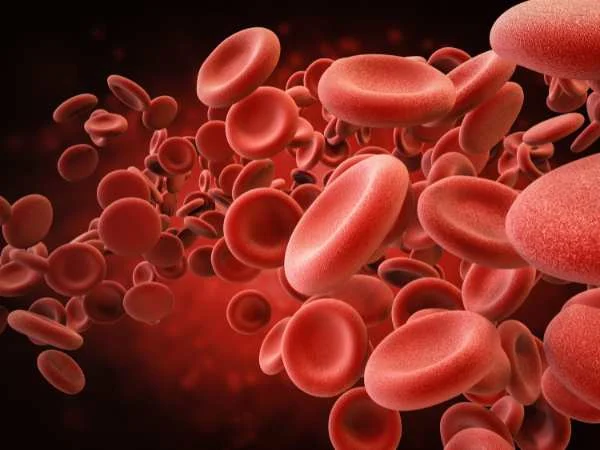
Hemoglobin is a protein inside red blood cells. Its main job is simple but critical. It carries oxygen from your lungs to the rest of your body. Every cell depends on it.
When hemoglobin stays within a healthy range, your body functions smoothly. Muscles work well. Brain focus stays sharp. Energy levels feel stable.
When it drops or rises too much, problems show up fast. Fatigue. Breathlessness. Headaches. Sometimes things more serious.
That’s why doctors look at hemoglobin first in many blood tests.
Also Read : – Vitamin D Deficiency Disease: Symptoms, Causes, Foods, Recovery Time, and What People Miss
Hemoglobin Normal Range: The Big Picture
There isn’t one single “normal” number for everyone. Hemoglobin levels change based on sex, age, and life stage.
That’s where confusion starts. People compare numbers without context.
A value that’s normal for one person may signal a problem for another.
So let’s go step by step.
Normal Hemoglobin Level in Female
The normal hemoglobin level in female adults usually falls between:
12.0 to 15.5 grams per deciliter (g/dL)
This range exists because menstruation affects iron and blood loss. Pregnancy shifts it further.
Many women hover near the lower end and still feel fine. Others feel symptoms even before dropping below 12.
That’s why “normal” doesn’t always mean “optimal.”
Normal Hemoglobin Level in Male
The normal hemoglobin level in male adults is slightly higher:
13.5 to 17.5 g/dL
Men don’t experience monthly blood loss, and testosterone boosts red blood cell production. That explains the difference.
If a man’s hemoglobin falls into what’s considered “normal for females,” doctors still investigate. Context matters.
Normal Hemoglobin Levels by Age
Hemoglobin changes across life. Children, adults, and older adults don’t share the same ranges.
Here’s how it generally looks:
- Newborns: 14 to 24 g/dL
- Infants: 10 to 14 g/dL
- Children: 11 to 16 g/dL
- Adults: Varies by sex
- Older adults: Slightly lower values may appear
Growth, hormones, nutrition, and bone marrow activity all influence these shifts.
Normal Hemoglobin Levels by Age in Female
For females, age adds another layer.
- Teen girls: Often lower due to growth and menstruation
- Adult women: 12.0 to 15.5 g/dL
- Pregnant women: Levels may drop slightly due to blood volume increase
- Post-menopause: Levels may rise closer to male ranges
Low levels in teenage girls and pregnant women are very common. That doesn’t make them harmless. It makes monitoring important.
Also Read : – Pelvis Types: Understanding Female Pelvic Shapes and Birth Outcomes
Why Hemoglobin Drops Below Normal
Low hemoglobin usually means anemia, but anemia itself has many causes.
Common reasons include:
- Iron deficiency
- Vitamin B12 or folate deficiency
- Blood loss
- Chronic infections
- Kidney disease
- Bone marrow disorders
In many people, diet plays a major role. In others, absorption or ongoing loss matters more than intake.
That’s why supplements alone don’t always fix the issue.
What Is a Critically Low Hemoglobin Level
This question matters a lot.
What is a critically low hemoglobin level?
In most adults, below 7 g/dL is considered critical.
At this level, oxygen delivery drops sharply. The heart works harder. Risk rises for fainting, heart strain, and organ stress.
Symptoms often include:
- Severe fatigue
- Shortness of breath at rest
- Dizziness
- Chest discomfort
Hospital treatment may be required at this point. Sometimes blood transfusion becomes necessary.
Signs You Shouldn’t Ignore With Low Hemoglobin
Symptoms don’t always match numbers perfectly, but warning signs include:
- Constant exhaustion
- Pale skin or lips
- Fast heartbeat
- Breathlessness with mild activity
- Headaches
Ignoring these signs delays diagnosis. That delay causes more damage than the low number itself.
What Level of Hemoglobin Is Dangerously High
Low levels get more attention, but high hemoglobin also creates risk.
What level of hemoglobin is dangerously high?
Generally:
- Above 18.5 g/dL in men
- Above 16.5 g/dL in women
At these levels, blood becomes thicker. That increases clot risk.
Possible causes include:
- Dehydration
- Smoking
- Living at high altitude
- Lung disease
- Certain bone marrow conditions
Thick blood strains the heart and raises stroke risk.
Symptoms of High Hemoglobin
High hemoglobin doesn’t always show symptoms early. When it does, people may notice:
- Headaches
- Dizziness
- Blurred vision
- Red or flushed skin
- Itching after bathing
Doctors look for the cause, not just the number.
Why One Hemoglobin Test Isn’t Always Enough
One reading gives a snapshot. Trends tell the story.
Temporary changes happen due to:
- Dehydration
- Illness
- Menstrual cycle
- Recent blood donation
Doctors often repeat tests before labeling it abnormal.
That avoids panic over one off number.
Hemoglobin and Daily Energy Levels
People often ask if hemoglobin alone explains tiredness.
Sometimes yes. Sometimes no.
Low hemoglobin reduces oxygen delivery. That causes fatigue. But sleep quality, stress, thyroid function, and nutrition also play roles.
That’s why doctors don’t treat numbers alone. They treat people.
Also Read : – Pelvis Types: Understanding Female Pelvic Shapes and Birth Outcomes
How Hemoglobin Is Maintained Naturally
The body needs:
- Iron
- Vitamin B12
- Folate
- Healthy bone marrow
- Proper absorption
Diet matters. Gut health matters. Hormones matter.
Fixing hemoglobin often means fixing more than food.
Common Myths Around Hemoglobin
A few ideas cause confusion:
- “Low hemoglobin always means iron deficiency.” Not true.
- “High hemoglobin means strong blood.” Not true.
- “Normal range means no problem.” Not always.
Context decides meaning.
When to Talk to a Doctor
You should seek advice if:
- Hemoglobin stays low despite supplements
- Symptoms worsen
- Levels drop quickly
- Levels rise unexpectedly
Early action prevents complications.
FAQs
What is the normal hemoglobin level in female?
Usually between 12.0 and 15.5 g/dL.
What is the normal hemoglobin level in male?
Usually between 13.5 and 17.5 g/dL.
What is a critically low hemoglobin level?
Below 7 g/dL in most adults.
What level of hemoglobin is dangerously high?
Above 18.5 g/dL in men and 16.5 g/dL in women.
Do hemoglobin levels change with age?
Yes. They vary from newborns to older adults.
Can symptoms appear before hemoglobin drops too low?
Yes. Many people feel effects before crossing the lower limit.
Final Words
Hemoglobin numbers look simple on paper. They’re not.
They reflect oxygen flow, nutrition, hormones, and long-term health. Understanding the normal range helps you read your reports without panic or neglect.
I learned this the slow way. A number ignored becomes a problem later. A number understood becomes a guide.